Table of Contents
The quality of rock bolts directly affects the effectiveness of ground support systems in mining tunnels, underground works, and civil engineering projects. Selecting products based solely on cost, appearance, or documentation may overlook key factors such as material flaws, dimensional errors, and uneven manufacturing quality. The correct assessment procedure should include all of the above-mentioned points.
When evaluating rock bolt suppliers, customers should first determine whether their products meet project needs and whether they can provide quality records. Below are guidelines that one can use to evaluate the quality of products both before purchasing and after delivery.
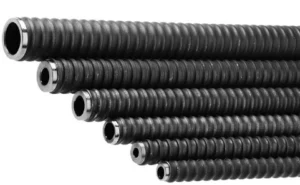
1. How to Verify Product Specifications from Rock Bolt Suppliers
Product specifications form the basis of quality control. In fact, a product that is produced efficiently still cannot be used if it does not conform to the project specifications.
1.1 Confirm the Product Type and Intended Application
Rock bolt designs vary depending on geologic conditions and installation methods. Rock bolts include steel bar rock bolts, grouted rock bolts, self-drilling rock bolts, and mechanically fixed rock bolts.
Before buying any, consider the geological conditions, drilling method, required load capacity, and installation method. Rock bolt suppliers should be asked for product data sheets, technical drawings, and installation manuals to ensure the suitability of the product for the proposed purpose.
1.2 Check Dimensions and Technical Parameters
Review the following specifications against the approved drawings and purchase contract:
| Inspection item | Key details to verify |
| Dimensions | Bar diameter, length, thread size, and tolerances |
| Material properties | Steel grade, yield strength, tensile strength, and elongation |
| Accessories | Nuts, bearing plates, couplers, and component compatibility |
| Corrosion protection | Coating type and specified acceptance requirements |
| Technical compliance | Applicable standards and project-specific requirements |
For example, if a project specifies a rock bolt length of 2.4 m, the delivered products should be checked against that requirement and the permitted dimensional tolerance. This is an illustrative example, not a universal specification.
1.3 Compare Delivered Products with Approved Drawings
Compare the real product against the most current approved drawing and specifications. The key areas that need to be focused on are the changes in steel grade, threading pattern, connector parts, or any anti-corrosion measures taken.
The substitution needs to be approved technically prior to manufacture or shipment. Otherwise, it will affect the installation and load-transfer process.
2. How to Inspect Material Quality from Rock Bolt Suppliers
The material’s properties affect the rock bolt’s load-carrying capacity and lifespan. For that reason, literature reviews should be supplemented by actual examinations and relevant testing.
2.1 Review Material Certificates and Traceability
Request material certificates for the products provided. For different products, the documents must state the steel grade, metal composition, mechanical properties, and the respective heat or batch numbers.
Check for consistency between the information in the documents and what is written on the products or delivery papers. If the supplier fails to link the test papers to the supplied products, the credibility of the information will be questionable.
Traceability also assists the purchaser in investigating problems and determining the products affected in case of any defect in the future.
2.2 Inspect Surface Conditions and Manufacturing Defects
During incoming inspection, examine the bars and accessories for visible cracks, significant dents, bending, severe corrosion, and damaged threads. Where welded components are used, inspect the relevant welds according to the applicable specifications.
Thread damage needs special attention because poor interaction between the bar and the nut can hinder assembly and connectivity. For large orders, customers can perform both visual and dimensional inspections, among others, depending on the sampling method used.
However, mere visual inspection cannot prove the performance capability of the products. It is possible for the items to be free of damage but not to meet the material or strength specifications.
2.3 Evaluate Corrosion Protection
If the environmental conditions include moisture, salt, and other corrosive factors, then corrosion resistance may be a critical issue for the durability of support systems. Make sure that the chosen coating or protection corresponds to the project requirements and service environment conditions.
Check the coated surface for peeling, scratches, and other defects. In case of specified coating thickness, measure it using the proper technique and compare the readings with the contract requirements or standard. The required coating thickness and service life period vary for different systems and projects.
3. How to Evaluate Performance Test Results from Rock Bolt Suppliers
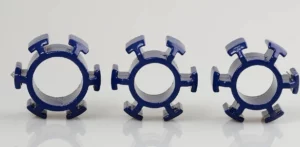
Test reports provide quantitative data on product quality; however, customers need to verify that the testing methods and sample characteristics are relevant to the products they purchase.
3.1 Review Mechanical Test Results
Given the nature of the product design and project needs, some of the essential mechanical properties could include:
- Tensile strength: The maximum tensile stress that a material can bear during testing.
- Yield strength: The stress associated with the onset of specified yielding or permanent deformation.
- Elongation: An indicator of the material’s ductility.
- Connection performance: Relevant to threaded joints, couplers, and other load-transferring components.
Check the measured results against the acceptance limits specified in the contract or applicable product standard. The report should also identify the test method, sample dimensions, testing date, and laboratory.
But passing a tensile test does not automatically mean the rock bolt system will be suitable in all cases, as other factors may also affect its performance.
3.2 Distinguish Product Testing from System Performance
Product-level testing uses criteria such as size, material integrity, and part construction. System-level testing examines how the components within the system interact.
For example, a resin-anchored system may be affected by resin formulation, borehole diameter, installation procedure, and curing conditions. Projects with demanding geological conditions or specific performance requirements may therefore need field pull-out tests or other verification methods defined by the engineering design.
3.3 Verify the Reliability of Test Reports
A good test report should include the product name and model, sample specifications, the test methodology used, results, the test date, and the organization performing the testing.
When third-party testing is needed, it is important to check whether the lab performing the testing is accredited or qualified for such services. The report is meaningless if it cannot be verified in relation to the product being tested.
4. How to Check Quality Consistency Across Different Batches
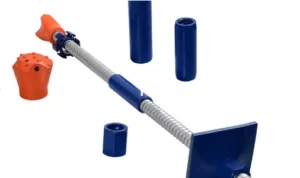
One sample passing doesn’t mean the whole lot meets the standards. Consistency among batches is particularly vital for big jobs and repeat orders.
4.1 Establish a Batch Inspection Plan
Explain batch identification, the sampling method, goods that need to be inspected, conditions for their approval, and responsibilities under the purchase agreement. Sampling should follow standards, product specifications, project risks, and agreement requirements, not just a percentage inspection.
For example, an order of 1,000 rock bolts will be tested for size, surface quality, and labeling; samples will be physically tested per the procedure specified in the plan. Sample size will vary depending on the standard and risk assessment.
4.2 Check Packaging, Labeling, and Transportation Conditions
These may be affected by transportation and handling. When receiving the materials, the following should be checked:
- Packaging condition and delivered quantity.
- Product dimensions and identification labels.
- Batch numbers and their corresponding quality records.
- Signs of impact damage, corrosion, or coating deterioration.
For international shipments, specify packaging requirements, transport protection, incoming inspection procedures, and responsibility for transit damage in advance.
4.3 Define Procedures for Nonconforming Products
In case of non-conformity during quality inspection, dimensional deviation, or absence of necessary documentation, the concerned articles must be segregated before incorporation into construction.
Agree on the appropriate response, such as additional testing, repair where permitted, replacement, or return. Rock bolt suppliers should also investigate the cause of recurring defects and implement corrective actions. This helps prevent the same problem from affecting subsequent deliveries.
Conclusion
Assessing rock bolts should go beyond cost comparisons or certificates. Consumers need to be able to check technical specifications, raw materials, coatings, test results, and more.
When choosing among rock bolt suppliers, select one with proven quality and traceability, consistent manufacturing, and strong problem-solving capabilities. A supplier that can prove its quality and has a documented quality-control process can help the buyer reduce procurement risks.
0