Table of Contents
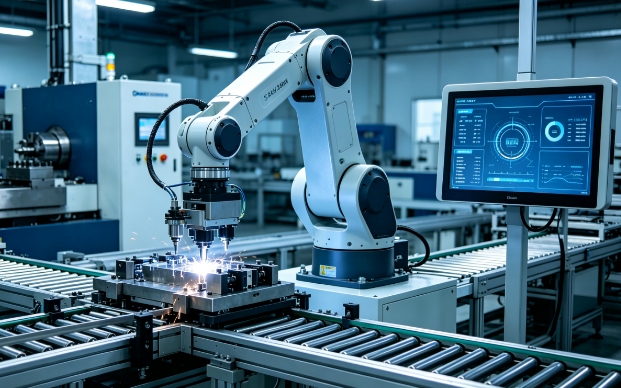
In modern industrial automation, the 5 axis robot arm has become a key piece of equipment for precision manufacturing, assembly, and machining tasks. As companies invest heavily in automation, one of the most important considerations is equipment lifespan and long-term reliability. Understanding how long a 5 axis robot arm typically lasts helps manufacturers evaluate return on investment and plan maintenance strategies more effectively. While its lifespan can vary depending on usage conditions, maintenance quality, and operating environment, it is generally considered a durable and long-term industrial solution.
Average Lifespan of a 5 axis robot arm in Industrial Environments
The lifespan of a 5 axis robot arm is typically long when properly maintained, making it suitable for continuous industrial operation.
- In standard manufacturing environments, it can often operate effectively for 8 to 15 years.
- High-quality systems used under controlled conditions may last even longer with proper servicing.
- Heavy-duty applications with continuous 24/7 operation may shorten lifespan slightly due to higher mechanical stress.
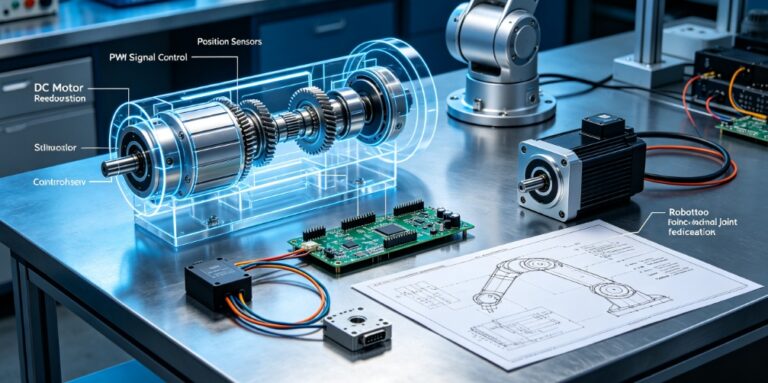
- The durability of key components such as motors, joints, and control systems plays a major role in overall service life.
Overall, its long operational lifespan makes it a strong investment for long-term production planning.
Key Factors That Influence Equipment Lifespan
Several factors directly affect how long a 5 axis robot arm can function efficiently in industrial settings.
- Operating load intensity impacts mechanical wear, especially in high-speed production lines.
- Environmental conditions such as dust, humidity, and temperature fluctuations can influence component durability.
- Frequency of use determines how quickly joints, gears, and actuators experience fatigue.
- The quality of installation and calibration also affects long-term mechanical stability and performance accuracy.
By controlling these factors, manufacturers can significantly extend equipment lifespan.
Maintenance and Servicing Impact on Durability
Regular maintenance is one of the most important elements in ensuring long service life for a 5 axis robot arm.
- Routine lubrication of joints and moving parts reduces friction and mechanical wear.
- Scheduled inspections help detect early signs of damage before they lead to system failure.
- Software updates and recalibration maintain precision and operational stability over time.
- Replacement of worn components, such as belts or sensors, prevents larger system breakdowns.
A well-maintained system can operate efficiently for many years beyond its expected baseline lifespan.
Usage Environment and Industrial Conditions
The environment in which a 5 axis robot arm operates plays a critical role in determining its durability.
- Clean manufacturing environments, such as electronics production, tend to extend equipment lifespan.
- Harsh environments with metal dust, chemicals, or high vibration may increase wear and tear.
- Temperature stability helps prevent overheating or contraction-related mechanical issues.
- Protective enclosures and dust-proof designs can significantly improve long-term reliability.
Proper environmental management ensures the robot maintains stable performance over time.
Technological Advancements and Component Longevity
Modern improvements in robotics technology have significantly enhanced the lifespan of the 5 axis robot arm.
- Advanced servo motors provide higher efficiency and lower heat generation during operation.
- Intelligent monitoring systems detect faults early and reduce unexpected failures.
- Modular design allows easy replacement of individual components without affecting the entire system.
- Improved materials in joints and structural parts increase resistance to wear and fatigue.
These technological enhancements contribute to longer service life and better operational stability.
Conclusion
The 5 axis robot arm typically lasts between 8 and 15 years in industrial use, depending on operating conditions, maintenance practices, and application intensity. With proper care and optimal working environments, its lifespan can be extended even further. Its durability, combined with advanced technology and intelligent monitoring systems, makes it a reliable long-term investment for modern manufacturing. As industries continue to rely more on automation, the 5 axis robot arm remains a stable and efficient solution for sustained industrial productivity.
0