Table of Contents
Investment in a high-quality bonsai tree is not a standard purchase of a botanical nature. Rather, it is a long-term process of living art. The thing is that the market for bonsai plants is characterized by the presence of many low-quality suppliers. Buying trees from non-reputable suppliers might lead to poor health, incorrect names, poor rooting, and even early death of the purchased specimens. A reputable bonsai plant supplier will provide you with high-quality bonsai that will be healthy, correctly named, have proper roots, and be supplied with appropriate horticultural advice. This paper will give you a brief guide on how to choose a trustworthy bonsai plant supplier based on their key characteristics and a practical approach to evaluating these characteristics.
Key Characteristics of a Reliable Bonsai Plant Supplier
Reputation and Horticultural Experience
A good bonsai plant supplier should possess many years of hands-on experience in bonsai cultivation. An established bonsai company should have its own growing nursery, experienced horticulturists, and participation in different plant societies or forums. Such companies are the ones that know everything about the growth and development of bonsai and about their seasonal pruning, branch training, and root system preparation. In other words, a knowledgeable bonsai supplier can give you practical advice that will allow your investment to thrive.
Sourcing Transparency
The transparency of sourcing means the respect for the health and safety of the environment shown by the bonsai supplier. A good bonsai plant supplier always indicates whether he or she deals with field-grown plants, imported plants with proper quarantine, or in-house propagated specimens. Moreover, such bonsai plant suppliers do not deal with illegally collected Yamadori plants and comply with all the international plant health standards. Thus, transparent sourcing guarantees that bonsai plants you purchase will be legally sold and environmentally safe.
Diversity of Inventory and Health Requirements
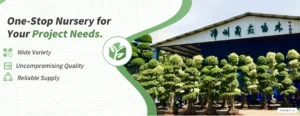
If a bonsai plant supplier is good, he or she is capable of meeting the needs of both absolute beginners and collectors with some experience in this sphere. A good bonsai nursery should offer a variety of plants starting with easily cultivable indoor types such as Ficus or Juniper and ending with delicate outdoor plants such as Japanese Maple or Buddhist Pine. All the trees offered by a good bonsai plant supplier should be healthy, well-rooted, and growing. For instance, such bonsai suppliers as Wulala Garden meet these requirements as they offer S-shaped trunks, aerial root shapes, and Ginseng Ficus.
5 Steps to Evaluate a Bonsai Plant Supplier
Step 1: Reviews and Credentials
Look through genuine reviews left on Google Reviews, Trustpilot, or dedicated bonsai plant forums. Do not just base your decision on the rating, but analyze how this particular vendor deals with its clients’ problems. Repeatedly mentioning plants delivered in a dead state, affected by root rot, or poorly packed is a clear indicator of looking for another bonsai plant supplier. A good bonsai plant supplier is dealing with his/her client’s problems and has an impeccable track record of deliveries.
Step 2: Plant Quality and Photo Truthfulness
In case of online purchase, check if there are photos of the plant with its nebari (root flare), trunk structure, wiring, and density of foliage. Most likely, a decent bonsai plant supplier provides a “What You See Is What You Get” (WYSIWYG) listing for their premium plants. As far as in-person purchasing, you should look at the drainage of the soil and inspect the undersides of the leaves for the presence of any insects before making your purchase with any bonsai plant supplier.
Step 3: Analyzing the Way of Packing and Delivery
Delivery of live plants requires special packaging, tying of the pot, use of cushioning material, and management of soil moisture content. A competent bonsai plant supplier always uses protective materials and fast delivery methods to avoid any serious physical damage and/or shock during shipment. Always ask your bonsai plant supplier if there is a guarantee of live delivery.
Step 4: Customer Service After Purchase
A good bonsai plant supplier does not stop dealing with the customers only after the payment is completed. You should search for vendors offering you comprehensive species-specific care guides, information about seasonal repotting, watering schedules, and customer assistance. Having direct contact with experienced growers who will help you solve any further troubles regarding pruning, fertilization, and pests is invaluable.
Step 5: Pricing Comparison with True Value
Very low prices are the first red flags indicating unrooted cuttings, poor foliage, bad grafting, and/or glued decorative gravel. Estimate the price in relation to the tree’s age, labor input for training, trunk diameter, the balance of the tree, and pot quality. An honest bonsai plant supplier always provides fair prices that reflect all the efforts spent on creating each tree.
Things You Should Not Look for in a Supplier
Ambiguous Specifications:
Absence of information on the precise species of the tree, age of the plant, container sizes, origins of the plant, and specific light requirements.
No Shipping Warranty:
Refusal to exchange or give refunds on living products that have been harmed or killed during the shipping process.
False Care Promises:
False advertising of fragile trees by making claims such as “does not require light,” “maintenance-free,” or “indecipherable to kill.”
Stuck Rock Covering:
Rocks attached permanently on top of the soil, preventing root development and adequate watering.
Conclusion
The first crucial thing to consider when selecting a bonsai plant supplier is the selection process itself. Spending some time reviewing the credentials of the seller and their plant offering, as well as their shipping practices and customer support availability, will ensure your safety and investment in the future. By using the aforementioned checklist, you can be assured of selecting the appropriate bonsai plant supplier.
0