Table of Contents
Automatic filling machines are indispensable in modern industrial production, widely used in industries such as food, beverages, chemicals, and pharmaceuticals. They significantly improve production efficiency, ensure product quality consistency, and reduce human errors and costs. The integration of an automatic filling line can further enhance these benefits by automating the entire production process, from filling to capping. So, how does an automatic filling machine work within an automatic filling line? This article will provide a detailed overview of the working principles, main components, and key roles of an automatic filling machine in a production line.
What is an Automatic Filling Machine?
An automatic filling machine is a piece of equipment that uses an automated control system to complete the precise filling of liquids, pastes, or granules into containers. It can automatically perform multiple processes such as filling, measuring, capping, and labeling according to different production needs. Compared to traditional manual filling, an automatic filling machine greatly improves production efficiency and ensures consistent product quality. In an automatic filling line, these processes are fully integrated and automated.
Common Applications of Automatic Filling Machines:
- Food Industry: Filling beverages, sauces, condiments, and fruit juices with high precision.
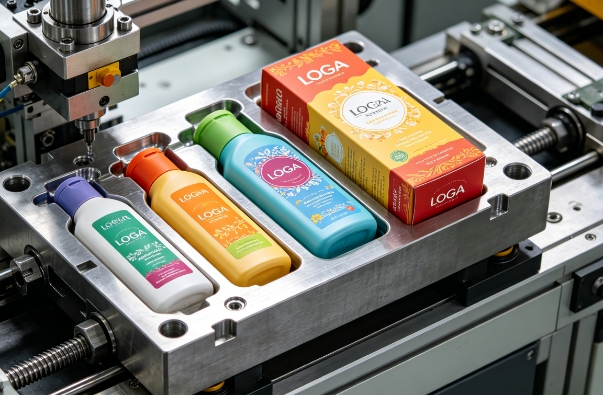
- Cosmetic Industry: Filling of shampoo, skincare creams, oils, and other cosmetics.
- Pharmaceutical Industry: Filling of medicinal liquids, vaccines, oral liquids, etc.
- Chemical Industry: Filling of cleaning agents, paints, lubricants, and other chemical products.
How Does an Automatic Filling Machine Work?
The operation of an automatic filling machine follows a series of steps: container positioning, accurate measurement, filling, capping, and final output. Here’s how each step works:
Container Positioning
First, empty containers (e.g., bottles, cans, pouches) are transferred to the filling station via conveyors or mechanical devices. Sensors and pneumatic systems ensure that the containers are positioned correctly under the filling nozzles.
Measuring and Filling
The core function of the automatic filling machine is to fill containers with the right amount of product. Different filling methods are used based on the product type:
- Liquid Filling: Flow meters, pressure sensors, or time-based controls are used to ensure accurate liquid filling. Common filling methods include piston filling, gear pump filling, and gravity-based filling, each offering specific advantages depending on the product type and viscosity.
- Paste Filling: For thicker products, screw fillingis used, where rotating screws push paste into containers.
- Granular Filling: For granular products, vibration or screw feeding devices are used for precise measurement.
Capping
After filling, the machine automatically caps the container:
- Heat Sealing: Used for plastic pouches and bottles, where high heat seals the container.
- Screw Capping: Suitable for glass or plastic bottles, where the cap is screwed on.
- Aluminum Foil Sealing: Used for some pharmaceuticals and food products, where aluminum foil is used to seal the container.
Output
Once filled and capped, the containers are transported via conveyors to the next stage of production or directly packed. At this point, the products are ready for shipment.
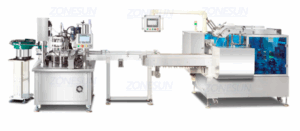
Key Components of an Automatic Filling Machine
The efficient operation of an automatic filling machine depends on several essential components:
Filling Heads
Filling heads are the core components that precisely transfer liquids or pastes into containers. Different types of filling heads include:
- Piston Filling Heads
- Gravity Filling Heads
- Pneumatic Filling Heads
Conveyor System
The conveyor system ensures that containers are moved efficiently between different stages (filling, capping, etc.) in the correct sequence.
Measuring System
The measuring system ensures each container gets the right amount of product. Methods used include:
- Flow Meters
- Time-Controlled Measurement
- Weight-Based Measurement
Control System
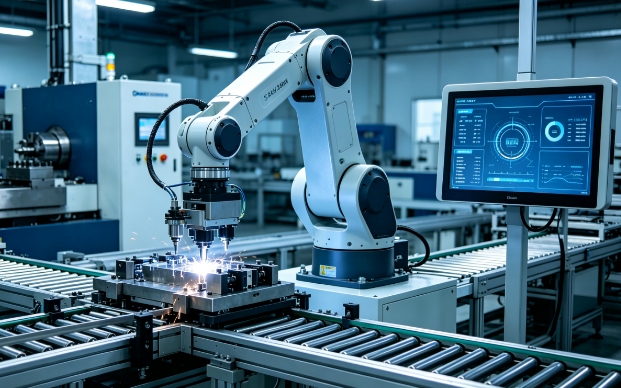
Automatic filling machines are typically equipped with a PLC (Programmable Logic Controller) that allows operators to control the machine via touchscreens or computers. This system ensures smooth operation, monitoring of production parameters, and adjustment of settings for optimal performance.
Advantages of Automatic Filling Machines
Increased Production Efficiency
One of the primary benefits of automatic filling machines is their high-speed operation. A single automatic filling machine can replace dozens or even hundreds of manual workers, improving production efficiency and reducing operational costs. When used in an automatic filling line, the entire production process becomes fully automated, minimizing human intervention and increasing productivity.
Ensuring Product Quality
Automated systems reduce human error and inconsistency, ensuring that each product receives the same amount of filling and capping. This leads to fewer defective products and higher overall quality.
Enhanced Safety
By automating the filling and capping processes, automatic filling machines reduce human exposure to hazardous materials, thereby improving worker safety.
High Flexibility
Modern automatic filling machines are highly flexible and can be adjusted to accommodate various container types, product materials, and production requirements.
Conclusion
Automatic filling machines play a crucial role in modern production lines, offering high efficiency, precision, and flexibility. They not only improve production rates and reduce labor costs but also ensure product consistency and quality. With ongoing advancements in technology, the automatic filling line will continue to evolve and bring benefits to more industries. If you’re looking to enhance your production line, investing in an automatic filling machine is a wise choice.
0