The rapid evolution of manufacturing has brought groundbreaking advancements to sheet metal processing, enabling greater efficiency, precision, and versatility. Modern technologies have revolutionized how industries approach the design and fabrication of sheet metal products, setting new benchmarks for quality and performance.
One of the most transformative advancements in sheet metal processing is laser cutting. By using high-powered lasers, this method ensures clean and precise cuts, even for complex designs. Laser cutting minimizes material waste and enhances speed, making it one of the most efficient technologies in the industry.
Another significant innovation is waterjet cutting. This technique uses high-pressure streams of water, often mixed with abrasives, to cut through metal. Ideal for heat-sensitive materials, waterjet cutting prevents thermal distortion, maintaining the integrity of the sheet metal during processing. Its versatility makes it a popular choice in various industries.
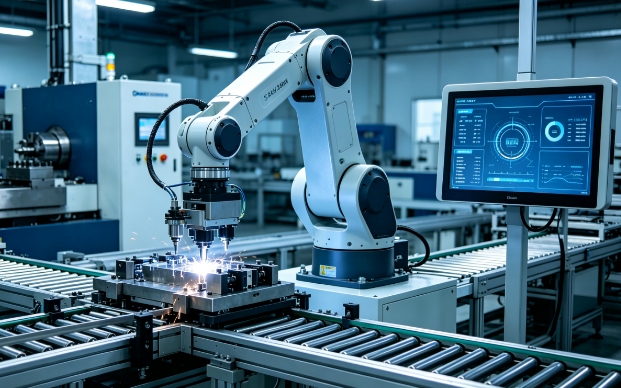
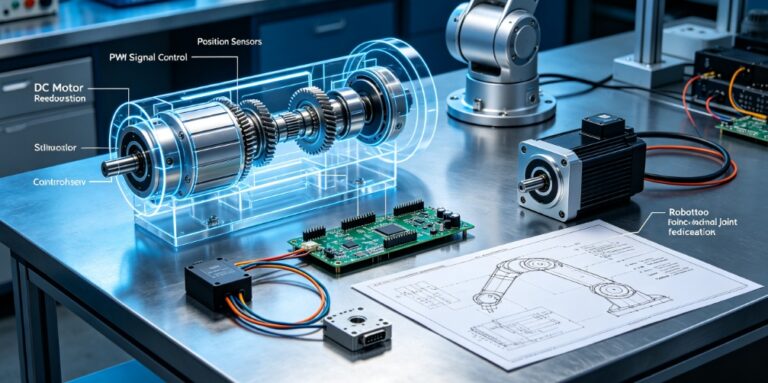
Automation and robotics have also played a vital role in advancing sheet metal processing. Robotic arms equipped with artificial intelligence (AI) enable seamless bending, welding, and assembly operations. These systems ensure consistent results, reduce labor costs, and increase production capacity. Additionally, automation enhances safety by reducing human exposure to hazardous tasks.
Additive manufacturing, or 3D printing, has introduced new possibilities for sheet metal processing. By layering material, this technology allows for the creation of complex and customized metal components, reducing the need for multiple processing steps. Additive manufacturing is especially valuable in prototyping and small-batch production.
Lastly, advancements in software, such as computer-aided design (CAD) and computer-aided manufacturing (CAM), have streamlined the sheet metal processing workflow. These tools optimize design accuracy, simulate processing scenarios, and ensure precise execution.
In conclusion, advanced technologies like laser cutting, waterjet cutting, automation, additive manufacturing, and CAD/CAM software have redefined sheet metal processing. By incorporating these innovations, industries can achieve unparalleled precision, efficiency, and adaptability, meeting the demands of modern manufacturing.
0