Table of Contents
From remote work and online education to smart homes and cloud services, modern digital life relies heavily on fiber-optic connectivity. Fiber to the Home (FTTH) is no longer a niche technology—it is quickly becoming the standard for residential and small business broadband access.
Understanding what an FTTH company does, how it operates, and why it matters helps users make better decisions when choosing internet services and helps industry observers see where connectivity trends are heading.
What Services Does an FTTH Company Typically Provide?
An FTTH company does more than simply install fiber cables. Its services usually cover several stages of connectivity:
- Network planning and deployment, including fiber backbone construction and last-mile installation
- Residential and commercial internet access, often with multiple speed tiers
- Value-added services, such as IPTV, VoIP, and smart home connectivity
- Network maintenance and technical support, ensuring long-term reliability
Many FTTH companies now integrate their services with local smart city initiatives, providing connectivity for traffic systems, security monitoring, and public Wi-Fi. This expands their role beyond residential internet into broader digital infrastructure.
How FTTH Companies Build and Manage Fiber Networks
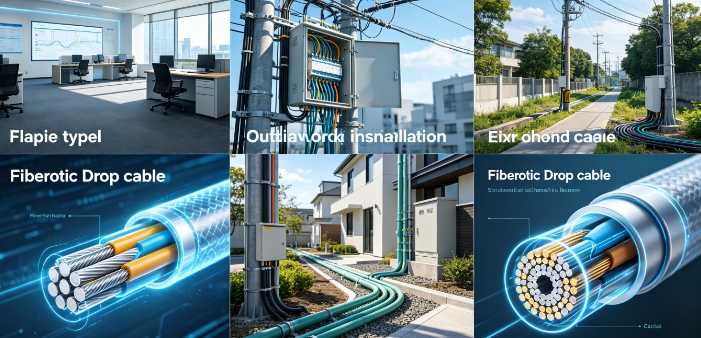
Building a fiber network is complex and capital-intensive.  An FTTH company must carefully plan routes, obtain permits, and coordinate with local authorities. Deployment methods vary depending on geography and regulations, including underground ducting, aerial fiber installation, or building-level distribution systems.
Once the physical network is in place, the FTTH company manages optical line terminals (OLT), splitters, and optical network terminals (ONT) installed at customer locations. These components work together to ensure efficient data transmission from the service provider to end users.
Modern FTTH companies increasingly rely on intelligent network management systems. These systems monitor signal quality, detect faults, and optimize traffic in real time, improving user experience while reducing maintenance costs.
What Makes One FTTH Company Different From Another?
Not all FTTH companies operate the same way. Differences often appear in network quality, service reliability, and customer support. Some focus on urban high-density areas, while others specialize in suburban or rural fiber deployment.
Key factors that distinguish an FTTH company include:
- Coverage area and expansion speed
- Network architecture, such as GPON, XGS-PON, or 10G PON
- Service flexibility, including customizable bandwidth plans
- Installation efficiency and after-sales support
In competitive markets, FTTH companies also differentiate themselves through pricing transparency, contract terms, and bundled services. These aspects matter just as much as raw speed for many users.
The Role of FTTH Companies in Smart Homes and IoT
As smart home devices become more common, the importance of stable, low-latency connectivity grows. An FTTH company provides the backbone that allows smart security systems, voice assistants, cloud-connected appliances, and remote monitoring tools to function smoothly.
Unlike older broadband technologies, fiber connections can handle dozens of connected devices without significant performance drops. This makes FTTH especially suitable for households with multiple users, home offices, and IoT ecosystems.
Some FTTH companies now partner with device manufacturers or home automation platforms to offer integrated solutions, positioning themselves as digital service providers rather than just internet suppliers.
Challenges Facing FTTH Companies Today
Despite their advantages, FTTH companies face several challenges. High initial investment costs remain a major barrier, especially in low-density or rural areas. Fiber deployment requires long-term planning and cooperation with governments and utilities.
Another challenge is user education. Many consumers do not fully understand the difference between “fiber-powered” services and true FTTH connections. An FTTH company must clearly communicate its value and technical advantages to avoid confusion in the market.
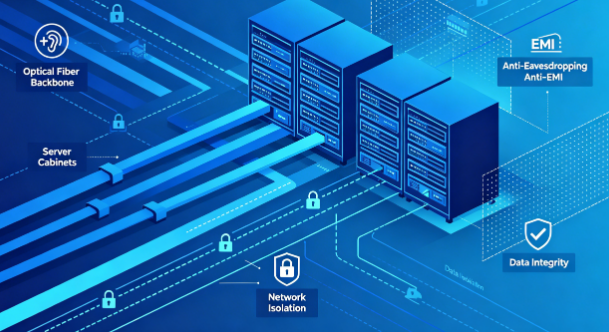
Cybersecurity and network resilience are also growing concerns. As more critical services rely on fiber networks, FTTH companies must invest in robust security measures and redundancy planning.
Final Thoughts
An FTTH company plays a critical role in shaping how people connect, work, and live in a digital society. As internet usage continues to evolve, the importance of FTTH companies will only increase. Understanding their role helps users appreciate the infrastructure behind modern connectivity and make informed choices in an increasingly fiber-driven world.
0