In today’s fast-paced world, technology plays a crucial role in ensuring the efficiency and safety of various industries. One such technological marvel that has revolutionized the way industries operate is the thermovision camera. These cameras, also known as infrared thermal imaging cameras, have become indispensable tools in industries such as power generation, metallurgy, petrochemical, railway, and automation. Their ability to detect thermal defects, provide temperature information, and enable early detection and judgment have made them invaluable assets in ensuring smooth operations and preventing potential hazards.
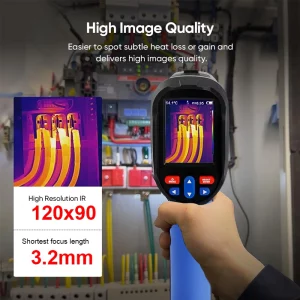
The power industry is one of the primary beneficiaries of thermovision cameras. In the process of power generation, transmission, transformation, distribution, and consumption, these cameras play a vital role in detecting various types of thermal defects. By providing images and temperature information of faulty parts, thermovision cameras enable early detection and judgment, ultimately contributing to the industry’s efficiency and safety.
In the metallurgical industry, the use of thermovision cameras equipped with multi-speed automatic switching and high-temperature extended lenses has proven to be instrumental in meeting industrial applications under various high-temperature conditions. These cameras not only measure temperature more safely and effectively but also aid in identifying potential issues before they escalate, thus ensuring the smooth operation of metallurgical processes.
The petrochemical industry also relies heavily on thermovision cameras for inspection purposes. From heat exchange equipment to pipelines and storage tanks, these cameras are utilized to improve production efficiency and ensure safety. They are instrumental in detecting oil storage tank liquid levels, oil leaks, and spills, as well as assessing thermal damage in pipelines and boilers. Additionally, thermovision cameras play a crucial role in monitoring important warehouse temperatures in petrochemical plants and detecting chemical product production temperatures, thereby contributing to the overall safety and efficiency of the industry.
In the railway industry, the inspection and operation status monitoring of railway train electrical equipment are essential to ensure the safe operation of trains. Thermovision cameras are used to detect potential issues in the electrical components, allowing for timely maintenance and preventing potential safety hazards.
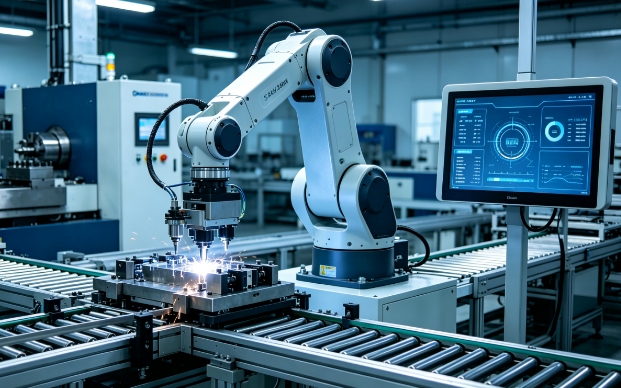
The automation industry also benefits significantly from the use of thermovision cameras. These cameras provide valuable thermal images that offer more information to production professionals and decision-makers. Moreover, they assist machine vision software in detecting production problems, ultimately contributing to the overall efficiency and quality of automated processes.
In some special manufacturing industries, thermovision cameras have proven to be invaluable in heat detection. For example, in the integrated circuit manufacturing industry, these cameras help quickly identify hot spots and assist in circuit design analysis, ultimately saving designers a significant amount of time and helping improve the overall efficiency of the manufacturing process.
In conclusion, the power of thermovision cameras in various industries cannot be overstated. From power generation to metallurgy, petrochemical, railway, and automation, these cameras play a crucial role in ensuring the accuracy, safety, and efficiency of operations. As technology continues to advance, the capabilities of thermovision cameras will only continue to expand, further solidifying their position as indispensable tools in the industrial landscape.
Welcome to consult if you have any questions.
0