During the normal use and calibration of safety valves, various failures can occur due to improper design, manufacturing, or usage. These faults, if not addressed promptly, can affect the efficacy and service life of the safety valve and potentially endanger user safety. Here are some common faults and their solutions:
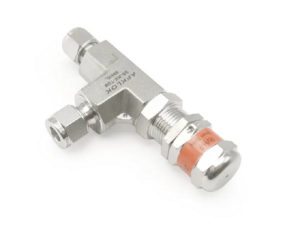
- Leakage at the Sealing Surface
Symptoms: Leakage between the disc and the valve seat exceeds the allowable level.
Causes and Solutions:
Dirt Between Disc and Seat:
Solution: Open the valve several times to flush out the dirt.
Sealing Surface Damage:
Solution: Repair the sealing surface by grinding. If the damage is severe, the disc or seat may need to be turned and then ground.
Bent Valve Stem:
Solution: Reassemble the valve or replace the bent valve stem.
- Failure to Open or Close at the Specified Pressure
Symptoms: The safety valve does not open or close at the specified pressure.
Causes and Solutions:
Inaccurate Positioning:
Solution: Readjust the compression of the spring or the position of the weight. If necessary, replace the spring.
- Pressure Continues to Rise After Exhaust
Symptoms: The pressure continues to rise even after the safety valve has discharged.
Causes and Solutions:
Insufficient Discharge Capacity:
Solution: Select a safety valve with a higher discharge capacity that matches the equipment’s requirements.
- Disc Frequency Jumps or Vibrates
Symptoms: The disc of the safety valve jumps or vibrates frequently.
Causes and Solutions:
Spring Stiffness Too High:
Solution: Use a spring with appropriate stiffness to reduce the frequency of jumps and vibrations.
- Safety Valve Does Not Return to Seat After Discharge
Symptoms: The safety valve fails to return to its seat after discharging.
Causes and Solutions:
Bent Spring:
Solution: Replace the bent spring.
Improper Installation or Sticking:
Solution: Reassemble the valve to ensure proper installation and alignment of the valve stem and disc. Lubricate or clean the parts to prevent sticking.
Additional Tips for Maintenance and Troubleshooting
- Regular Inspections:
Conduct regular inspections to identify and address minor issues before they become major problems.
Check for signs of wear, corrosion, or damage on the valve components.
- Calibration:
Calibrate the safety valve periodically to ensure it operates at the correct pressure settings.
Follow the manufacturer’s guidelines for calibration procedures.
- Proper Installation:
Ensure the safety valve is installed correctly, following the design requirements and manufacturer’s instructions.
Verify that the medium flow direction aligns with the arrow marked on the valve body.
- Environmental Considerations:
For high-temperature applications, use safety valves with radiators to reduce the temperature of the spring chamber.
For corrosive media, use bellows safety valves below to protect critical parts from corrosion.
- Back Pressure Management:
If the back pressure at the outlet of the safety valve changes significantly, use a below safety valve to compensate for the variations.
- Documentation and Records:
Maintain detailed records of inspections, calibrations, and any repairs or replacements performed on the safety valve.
Document any deviations from normal operation and the steps taken to resolve them.
By following these guidelines and addressing common faults promptly, you can ensure the safety valve operates reliably and safely, protecting both the equipment and personnel.
0