Table of Contents
Double sheathed cables are engineered to withstand a variety of challenging environmental factors. By providing this extra layer of security, these cables are indispensable in industries and environments where exposure to harsh conditions is a regular concern.
Protection from Mechanical Stress and Abrasion
In environments where cables are exposed to constant movement, impact, or abrasion, double sheathed cables offer significant protection. The outer sheath acts as the first line of defense, preventing direct contact between the cable’s internal insulation and the external environment.
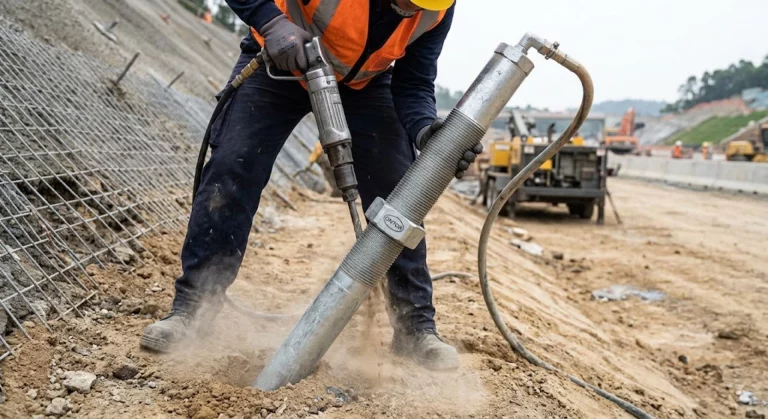
In harsh conditions like underground installations, the outer sheath also protects the cable from soil pressure, rocks, and other physical impacts.
Moisture and Water Resistance
Water can be one of the most destructive environmental factors for electrical cables, especially in underground or outdoor installations.
Double sheathed cables are highly effective in preventing water penetration. The outer sheath acts as a moisture barrier, while the inner sheath provides a secondary layer of defense against water ingress.
Whether exposed to rain, flooding, or submerged in water, the double sheathed cable ensures that the electrical conductor stays dry and insulated. This protection minimizes the risk of short circuits and electrical fires caused by water damage.
UV Radiation and Extreme Temperature Resistance
Cables used in outdoor or exposed environments are vulnerable to UV radiation from the sun. Over time, prolonged exposure to UV rays can degrade the outer sheath of cables, causing cracking and brittleness.
- Double sheathed cables are designed to resist UV degradation, thanks to their specialized materials.
- The outer sheath is typically made from UV-resistant compounds, preventing it from breaking down even after years of exposure to sunlight.
- Additionally, these cables are often built to withstand temperature extremes, whether from cold winters or intense heat. The two layers of protection ensure that the cable retains its integrity and performance in extreme conditions.
Chemical and Oil Resistance
In industrial settings, cables often come into contact with oils, solvents, acids, and other harsh chemicals.
- Double sheathed cables are designed with materials that resist chemical corrosion and degradation.
- The outer sheath is made from specialized compounds that protect against chemical exposure, while the inner sheath ensures that the electrical insulation remains intact.
- Double-sheathed cables offer double protection, helping to prevent various chemicals from damaging the insulation layer, which could otherwise cause short circuits, sparks, or even fires.
Flexibility for Harsh Installations
Another environmental factor that can affect cable performance is physical movement or vibration. Double sheathed cables are designed with flexibility in mind.
- The outer sheath is typically made of materials that allow the cable to bend and flex without cracking or breaking.
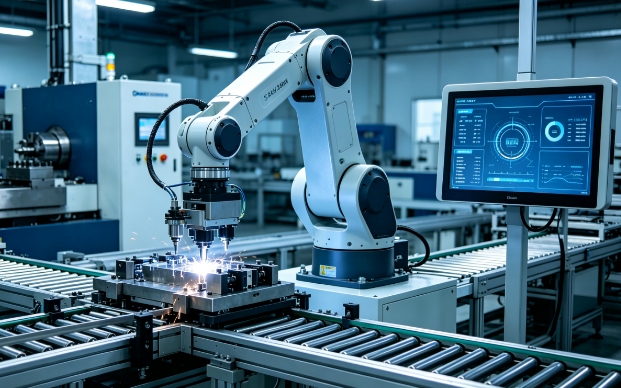
- In industries such as robotics, manufacturing, or anywhere cables are subjected to constant movement, this flexibility ensures that the cables continue to function properly without being damaged.
- Whether the cables are exposed to high-frequency vibrations or simply need to be routed through tight spaces, the design of double sheathed cables allows them to endure these conditions without compromise.
Protection Against Fire Hazards
The ability of double sheathed cables to resist fire is another crucial environmental protection feature.
- Many double sheathed cables are built with fire-resistant or fire-retardant materials, which prevent flames from spreading in the event of a fire.
- The outer sheath often has a low flame-spread rating, ensuring that fire doesn’t propagate along the cable length.This feature is particularly important in high-risk areas such as industrial plants, tunnels, or public buildings, where electrical faults could lead to fires.
- The extra sheath provides an additional layer of safety, helping to prevent electrical fires from escalating into larger hazards.
Outdoor and Underground Applications
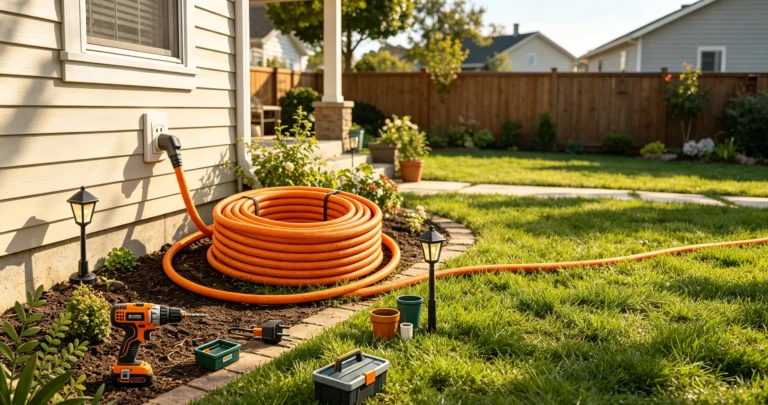
For outdoor installations, double sheathed cables provide comprehensive protection against environmental factors like rain, snow, or dirt.
- Whether used for street lighting, traffic signal systems, or utility networks, these cables are designed to endure changing weather conditions without compromising performance.
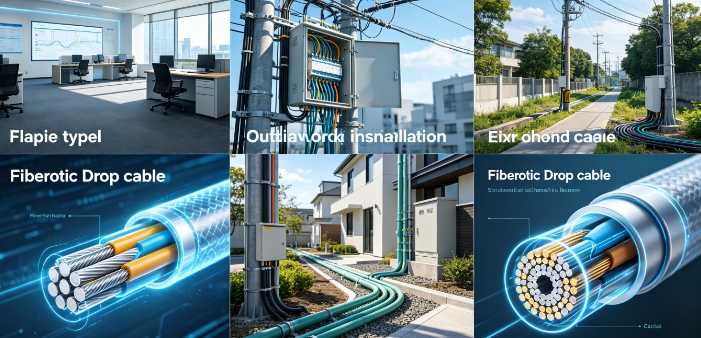
- In underground applications, such as power transmission networks, railways, and telecom lines, these cables offer superior protection against soil movement, water exposure, and extreme temperatures.
- Their ability to resist moisture and environmental pressure ensures that electrical systems remain stable, even in harsh subterranean conditions.
Conclusion
Their use is crucial in industries such as manufacturing, marine, construction, and telecommunications, where environmental exposure is constant.
By providing robust insulation and protection, double sheathed cables ensure the safe and efficient operation of electrical systems, minimizing risks of failure and enhancing the longevity of the cables themselves.
0