Table of Contents
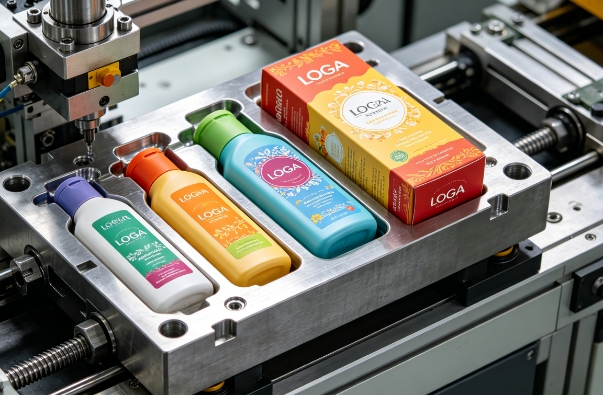
As consumer demand becomes more diversified, manufacturers are adopting flexible production strategies to stay competitive. Beverage companies may produce carbonated drinks, juices, and teas on the same line, while cosmetics manufacturers may fill shampoos, conditioners, and lotions in one facility. Is the same filling equipment used for multiple products? Provided that the equipment has the right level of flexibility, compatibility, and hygiene control. Let’s explore how this is possible and what factors determine its success.
The Technical Basis for Multi-Product Filling Equipment
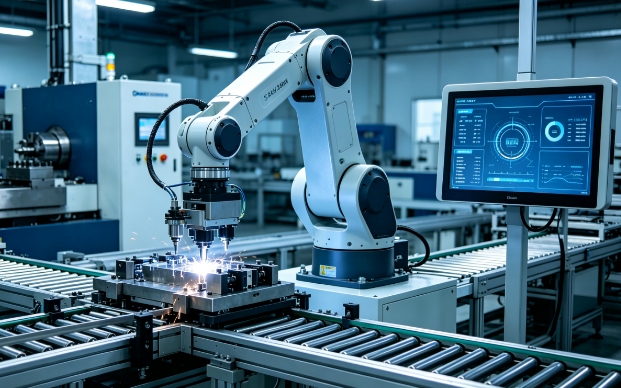
Modern filling equipment is no longer a single-purpose machine—it’s an intelligent system integrating precision measurement, automatic control, and self-cleaning features. With servo-driven systems, flow meter controls, and programmable settings, operators can easily adjust filling speed, pressure, and volume according to the characteristics of each product.
For example, both high-viscosity materials like honey and low-viscosity liquids like mineral water can be handled by the same equipment, as long as it offers a wide adjustment range. Modular design also plays a key role. Interchangeable filling heads, pipelines, and hoppers allow quick changes between different container sizes and product types—ideal for factories producing multiple SKUs in smaller batches.

Key Factors for Multi-Product Operation
1. Product Compatibility
Each product has unique physical properties such as viscosity, density, foaming tendency, and corrosiveness. High-viscosity materials require stronger pumps, foaming liquids need soft filling mechanisms, and acidic products must use corrosion-resistant stainless steel components.
To support multi-product use, the filling equipment must feature high adaptability and durable materials.
2. Hygiene and Cleaning System
Cross-contamination is the biggest risk in industries like food, cosmetics, and pharmaceuticals. To prevent this, filling equipment should include CIP (Clean-in-Place) and SIP (Sterilize-in-Place) systems.
These automated cleaning functions ensure complete sanitation between production runs without manual disassembly. Dead-angle-free designs for pipes and valves further guarantee effective cleaning and sterilization.
3. Filling Accuracy and Intelligent Control
Multi-product operations demand high precision. Modern filling machines are equipped with servo motors and electronic flow meters that maintain volume accuracy within ±0.5%. Smart control systems can store multiple product recipes, allowing operators to switch settings with one click. This memory-based automation minimizes human error and ensures consistent product quality.
4. Quick Changeover and Maintenance Efficiency
In a flexible production environment, frequent product changes are inevitable.
That’s why efficient changeover design is essential. Modern filling equipment uses quick-connect fittings, modular filling heads, and auto-parameter recognition systems to minimize downtime. Easy disassembly and automated fault detection further reduce maintenance time and cost.
How to Choose the Right Filling Equipment for Multiple Products
When selecting filling equipment for a multi-product production line, consider the following aspects:
1. Versatility and Scalability
- Choose equipment that supports various filling types, including liquid, paste, and semi-solid.
- Ensure it’s compatible with different packaging forms such as bottles, pouches, and cans.
- Opt for modular systems that can be expanded or reconfigured as production needs evolve.
2. Hygiene and Cleaning Efficiency
- Verify that the equipment includes automatic CIP and SIP systems.
- Ensure all product-contact parts are easy to clean and made from corrosion-resistant materials.
- A hygienic design helps maintain product safety and reduces contamination risk.
3. Intelligent Control Capabilities
- Select systems that can store multiple product parameters for quick recipe switching.
- Check for features like one-click setup, automatic calibration, and data logging.
- Real-time monitoring and traceability enhance production transparency and quality control.
4. After-Sales Service and Technical Support
- Partner with a reputable manufacturer that offers professional installation and training.
- Ensure they provide customized solutions tailored to your specific product needs.
- Reliable after-sales service and spare parts supply are vital for long-term operational stability.
Conclusion
High-performance filling equipment can indeed handle multiple products efficiently and safely. By choosing equipment with strong flexibility, advanced cleaning systems, and intelligent control, manufacturers can maintain product quality while maximizing production efficiency.
The advantages are clear: reduced investment cost, optimized space utilization, higher productivity, and faster response to market changes. In the era of smart manufacturing, versatile filling equipment is no longer a luxury—it’s a necessity for modern factories aiming for efficiency and flexibility.
0