Table of Contents
Growing a thriving aerial roots ficus bonsai is both an art and a science, requiring careful attention to environmental conditions, watering habits, and training techniques. Aerial roots are one of the most distinctive features of ficus bonsai trees, giving them a dramatic, ancient appearance. However, developing these roots successfully takes patience and the right strategy. In this guide, I will explain how to encourage healthy aerial root growth while maintaining the overall vitality of your bonsai tree.
Optimal Environmental Conditions for Aerial Roots Ficus Bonsai
Creating the right environment is the foundation for healthy aerial roots. The growth of aerial roots depends heavily on humidity, temperature, and light conditions.
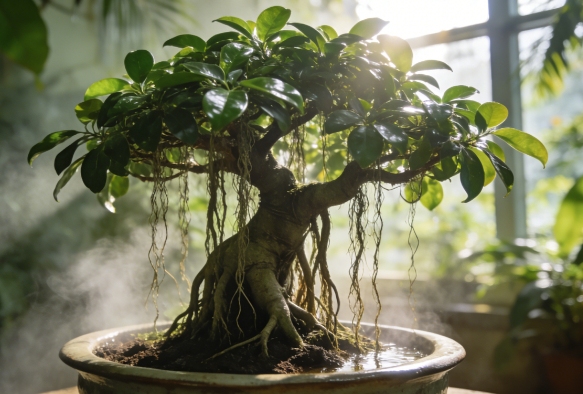
- Maintain high humidity levels (ideally 60–80%) by using a humidity tray, misting regularly, or placing a humidifier nearby. High humidity encourages roots to emerge from branches.
- Keep temperatures warm and stable, ideally between 20–30°C (68–86°F). Sudden temperature drops can slow or stop root development.
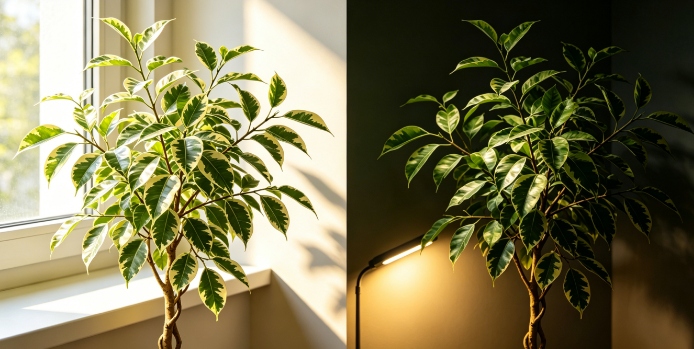
- Provide bright, indirect sunlight. While aerial roots ficus bonsai thrive in light, direct, harsh sunlight, it may dry out, developing roots too quickly
- Ensure good air circulation to prevent fungal problems, especially in humid environments. Balanced airflow helps strengthen both foliage and roots.
Watering and Humidity Management Techniques
Proper watering is crucial to stimulate and sustain aerial root growth. Inconsistent moisture levels can hinder root formation or cause stress.
- Water the bonsai thoroughly when the topsoil begins to dry, but avoid overwatering, which may lead to root rot.
- Increase humidity around the plant by covering it temporarily with a plastic dome or placing it in a greenhouse-like environment. This is especially useful for young or newly developing aerial roots.
- Mist the aerial roots and surrounding foliage regularly to mimic tropical conditions. However, avoid excessive misting that keeps leaves constantly wet, as this can lead to disease.
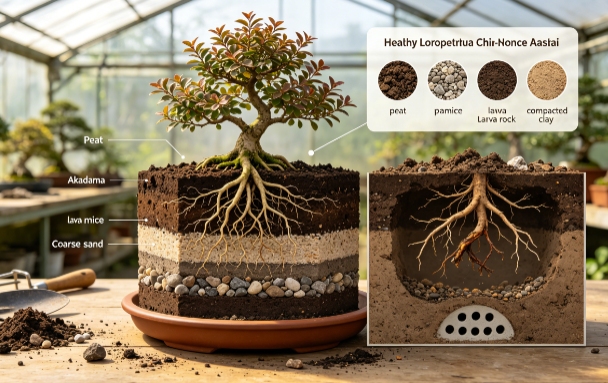
- Use well-draining soil to maintain a proper moisture balance. Good soil structure ensures that the roots receive both water and oxygen efficiently.
Pruning and Training for Strong Aerial Root Development
Strategic pruning and training help direct the tree’s energy toward aerial root growth while maintaining an attractive shape.
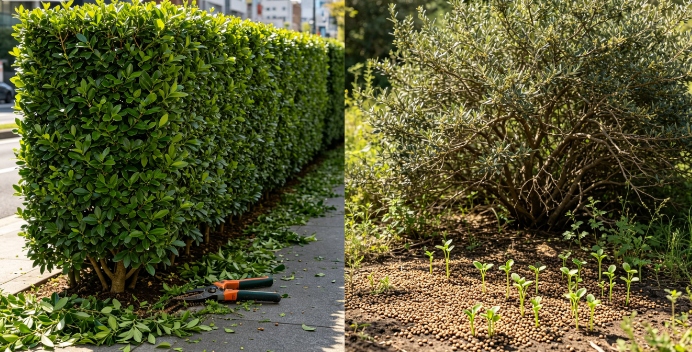
- Prune excess leaves and branches to improve light penetration and airflow, which stimulates root growth on exposed branches.
- Gently guide aerial roots using wires or support structures to create desired shapes or allow them to reach the soil.
- Avoid aggressive pruning at the wrong time, as this may stress the plant and reduce its ability to produce aerial roots. Timing is important—prune during active growth seasons.
- Maintain a balance between root growth and canopy development to ensure the aerial roots ficus bonsai remain healthy and visually appealing.
Fertilization and Nutrient Support for Healthy Growth
Providing the right nutrients ensures that your bonsai has the energy needed to develop strong aerial roots.
- Use a balanced liquid fertilizer during the growing season to promote steady and controlled growth.
- Apply fertilizer at reduced strength more frequently rather than heavy doses, preventing root burn while supporting consistent nourishment.
- Include nutrients such as nitrogen for leaf and shoot growth, and potassium to strengthen root systems.
- Avoid over-fertilizing, as excessive nutrients can lead to weak, overly rapid growth that may not support stable aerial root formation.
Common Mistakes to Avoid When Growing Aerial Roots
Many beginners struggle with aerial root development due to common care mistakes. Avoiding these can significantly improve success.
- Do not keep humidity too low, as dry air is one of the main reasons aerial roots fail to develop.
- Avoid overwatering or poor drainage, which can suffocate roots and lead to decay.
- Do not expose the bonsai to strong, dry winds or air conditioning, as this can quickly dehydrate emerging roots.
- Refrain from frequent repotting or disturbing the root system, as stability is essential for aerial root formation. Patience is key when cultivating aerial roots ficus bonsai.
Conclusion
Growing healthy aerial roots in a ficus bonsai requires a combination of proper environmental control, consistent watering, careful pruning, and balanced nutrition. By maintaining high humidity, providing adequate light, and avoiding common mistakes, you can encourage strong and visually striking aerial roots. Remember that patience and consistency are essential—your aerial roots ficus bonsai will gradually develop its unique character over time, rewarding your care with a stunning and natural aesthetic.
0