Table of Contents
Among the various bonsai styles, the S-shaped bonsai tree stands out for its elegant, flowing curves and dynamic form. Compared to ordinary potted plants, S-shaped bonsai requires more precise care, especially when it comes to watering. Overwatering can lead to root rot or excessive, weak growth, while underwatering can cause leaf yellowing, wilting, or even branch dieback. Proper seasonal watering is essential to maintain both the health and the graceful S-shaped bonsai tree.
Spring Watering: Supporting New Growth and Bud Development
Spring is the key season when your S-shaped bonsai tree transitions from dormancy to active growth. Rising temperatures awaken the roots, and new buds begin to emerge. During this stage, the tree requires more water, but careful management is necessary to avoid overwatering.
Watering Frequency and Method
In spring, soil begins to dry faster due to warmer temperatures, but the air is still relatively humid. Check the soil moisture every 2–3 days, and water only when the top 1–2 cm of soil is dry. Water thoroughly to reach the entire root system, but avoid letting water accumulate at the bottom of the pot.
Care Tips
- Newly repotted or pruned bonsai: Roots may not be fully established. Apply water in smaller, more frequent amounts initially to prevent root rot.
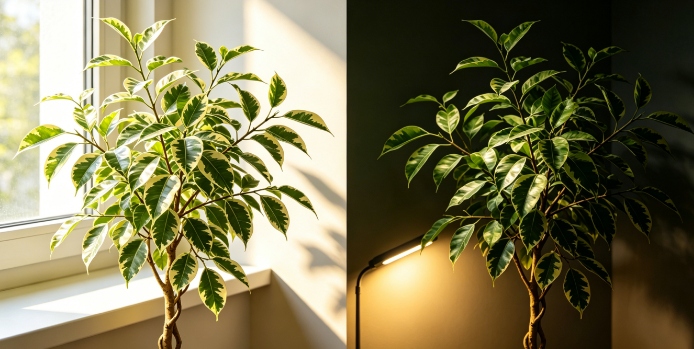
- Ventilation and lighting: Ensure good airflow after watering to prevent mold or fungal growth. Place your bonsai where it receives indirect sunlight to maintain balanced moisture.
- Observe buds and leaves: Yellowing or curling leaves may indicate improper watering; adjust water amount accordingly.
Proper spring watering encourages healthy branch and leaf development, preparing your bonsai for the high-demand summer months.

Summer Watering: Balancing Hydration in Hot Conditions
Summer is the season when your S-shaped bonsai tree experiences the highest transpiration rates. Hot temperatures, strong sunlight, and wind can dry out the soil quickly. Insufficient water can cause leaf curl, yellowing, or even branch wilting.
Watering Frequency and Method
Check the soil daily or every other day during hot weather. Water thoroughly, ensuring the water reaches the entire root zone. The best times to water are early morning or late evening to avoid scalding the roots in midday heat.
Additional Measures
- Increase humidity: Mist the leaves or the surrounding area to reduce water loss, especially indoors with air conditioning.
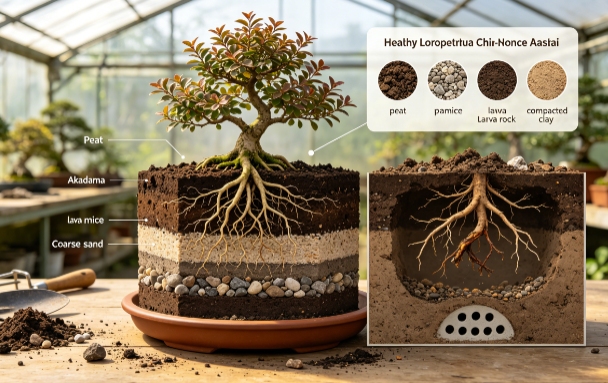
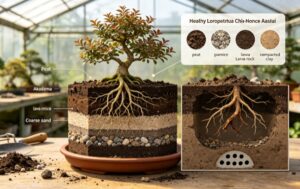
- Soil drainage: Use well-draining soil to prevent standing water; consider adding a layer of gravel or clay pellets at the bottom.
- Adjust location: Avoid direct midday sun; choose a spot with good airflow and diffused light.
Cautions
Even in summer, avoid letting the soil stay soggy for long periods. Persistent waterlogging can suffocate the roots and damage your bonsai.
Autumn Watering: Gradually Reducing for Dormancy Preparation
In autumn, temperatures drop, and growth slows down. Branches begin to harden, and water needs decrease. Adjust watering to help your S-shaped bonsai tree transition into dormancy safely.
Watering Frequency and Method
Water every 3–5 days, depending on soil dryness. The soil should be kept slightly dry but not completely desiccated. Ensure water reaches the roots without over-saturating the soil.
Care Tips
- Control water quantity: Avoid excessive watering, which may trigger late-season growth or root problems.
- Promote woodiness: Slightly drier conditions encourage branch hardening, improving structure and cold tolerance.
- Monitor soil moisture: Fall nights can be cooler, which slows evaporation. Adjust watering according to soil, not just the calendar.
Autumn watering ensures the bonsai develops a sturdy structure for winter while maintaining tree health.
Winter Watering: Minimal Hydration to Protect Roots
Winter is the dormant season for the S-shaped bonsai tree, with minimal water requirements. Watering must be done very carefully to prevent both dehydration and root rot.
Watering Frequency and Method
Extend watering intervals to 7–10 days or longer, watering only when the soil is completely dry. For indoor bonsai, monitor temperature and humidity; water sparingly, in small amounts.
Adjustments for Different Environments
- Outdoor bonsai: Protect from frost and wind. Minimize watering to avoid frozen soil that can damage roots.
- Indoor bonsai: Indoor heating can dry out soil faster, so slightly increase watering frequency, but maintain small, controlled amounts.
Cautions
Overwatering in winter is the leading cause of root rot. Focus on controlling water carefully to maintain root health.
Other Factors Affecting Watering
Besides seasonal changes, several other factors influence how you should water your S-shaped bonsai tree:
- Pot size: Smaller pots dry out faster, requiring more frequent monitoring; larger pots retain moisture longer.
- Soil type: Loose, airy soil allows better drainage and root respiration. Heavy clay soil may need sand or perlite mixed in.
- Tree species: Different species have varying tolerance to drought or wet soil.
- Placement: Exposure to sun, wind, or dry indoor air affects soil drying speed; adjust watering accordingly.
Conclusion
The care principle for an S-shaped bonsai tree is simple: water when dry and adjust according to the season. In spring, gradually increase watering to support new growth and budding. During the hot summer months, ensure the tree receives sufficient water to prevent dehydration, while still avoiding waterlogging. As autumn arrives, reduce the amount of water to encourage branch hardening and prepare the tree for dormancy. In winter, watering should be minimized to protect the roots and prevent rot. By carefully observing soil moisture, tree condition, and environmental factors throughout the year, you can help your S-shaped bonsai thrive while maintaining its health and elegant, iconic form.
0