Table of Contents
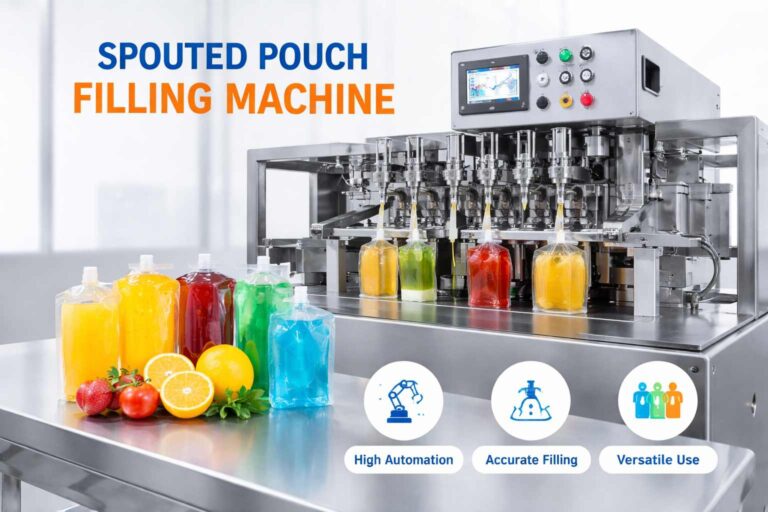
The packaging industry is undergoing a major transformation as technological advancements meet rising consumer demands. In 2026, companies specializing in form fill seal solutions are introducing innovations that improve efficiency, adaptability, and sustainability. These machines are no longer just tools for filling and sealing products—they are integrated systems that optimize production, reduce waste, and enhance product safety. Manufacturers are investing in smarter systems that respond to market changes while keeping operational costs low and quality high.
1. Advanced Automation and Intelligent Systems
- AI-Powered Monitoring: Machines now use artificial intelligence to detect irregularities in product placement, filling levels, or sealing quality. This reduces errors, minimizes product loss, and ensures consistent output.
- High-Speed Production: New models can operate at faster rates without compromising precision, enabling manufacturers to handle larger volumes in less time.
- Predictive Maintenance: Sensors track machine wear and potential failures, notifying operators before issues occur. This proactive approach prevents downtime and keeps production lines running smoothly.
- Automatic Calibration: Filling and sealing mechanisms can self-adjust for changes in product viscosity, packaging material thickness, or ambient temperature, improving reliability.
2. Flexibility and Customization
- Multi-Format Handling: Modern systems can package different product types—liquids, powders, granules, or pastes—without extensive retooling.
- Modular Components: Sections of the machine can be swapped or upgraded, allowing manufacturers to quickly adapt to new products or market trends.
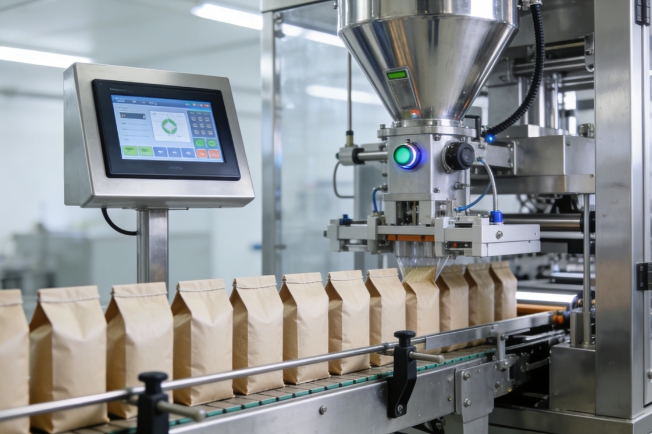
- Intuitive Control Panels: Touchscreen interfaces and easy-to-use software make machine operation accessible for staff with minimal training.
- Quick Changeovers: Adjustments for different bag sizes, shapes, and sealing styles are faster, reducing downtime between production batches.
3. Sustainability and Eco-Friendly Design
- Material Optimization: New filling technologies use precise measurements to reduce film and packaging waste.
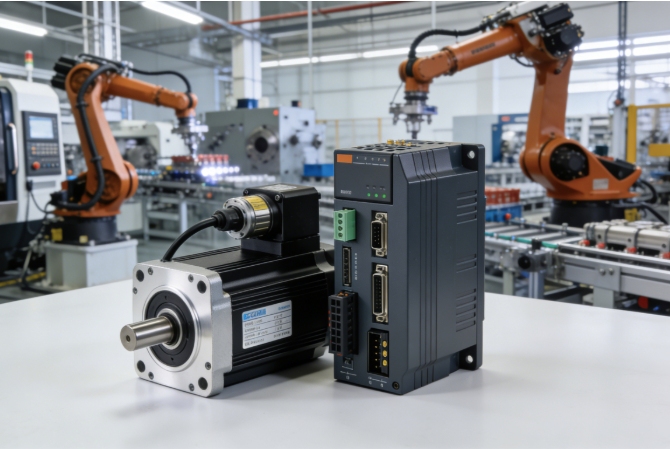
- Energy-Efficient Systems: Upgraded motors and drive systems consume less energy, lowering operational costs and environmental impact.
- Recyclable Material Compatibility: Machines can handle biodegradable films or recyclable plastics, aligning with global sustainability standards.
- Reduced Carbon Footprint: Integrated monitoring tracks energy usage and alerts operators to inefficient practices, supporting eco-friendly production goals.
4. Data Connectivity and Smart Integration
- Remote Monitoring: Operators can access machine performance, output data, and alerts through mobile apps or cloud platforms.
- Data-Driven Insights: Analytics identify bottlenecks, monitor fill accuracy, and optimize cycle times to improve efficiency.
- Integration with Production Systems: Machines can connect with ERP or MES platforms, syncing packaging operations with inventory and manufacturing schedules.
- Predictive Analytics: Historical performance data helps manufacturers anticipate trends and make proactive adjustments to production strategies.
5. Safety and Compliance Features
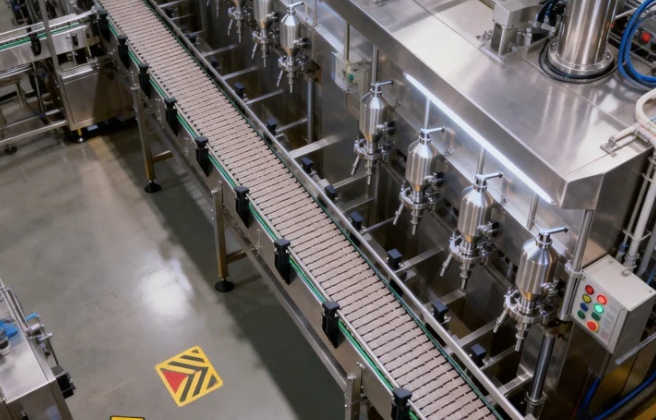
- Hygienic Design: Advanced machines are built with stainless steel components and easy-to-clean surfaces to meet food and pharmaceutical safety standards.
- Automated Quality Checks: Integrated cameras and sensors inspect each package for proper sealing, labeling, and fill volume.
- Regulatory Compliance: Machines support documentation and traceability required for international safety standards, reducing the risk of product recalls.
- Operator Safety: Safety interlocks and emergency stop mechanisms protect personnel while ensuring continuous operation.
Conclusion
The innovations being introduced by form fill seal machine manufacturers in 2026 demonstrate a clear trend toward intelligent, efficient, and environmentally conscious packaging solutions. By combining automation, flexibility, data connectivity, and safety-focused designs, these machines not only improve production efficiency but also meet evolving industry standards and sustainability goals. Manufacturers who adopt these cutting-edge technologies will gain a competitive advantage, ensuring reliable performance, reduced costs, and higher product quality in a fast-paced packaging market.
0