Table of Contents
Product design is no longer just about aesthetics—it’s also about functionality, usability, and visual performance. Incorporating an IPS TFT LCD display can significantly enhance the overall quality of a device, offering superior color accuracy, wide viewing angles, and reliable performance. From consumer electronics to industrial applications, understanding how to integrate and optimize an IPS TFT LCD display in your design can make your product stand out in both performance and user experience.
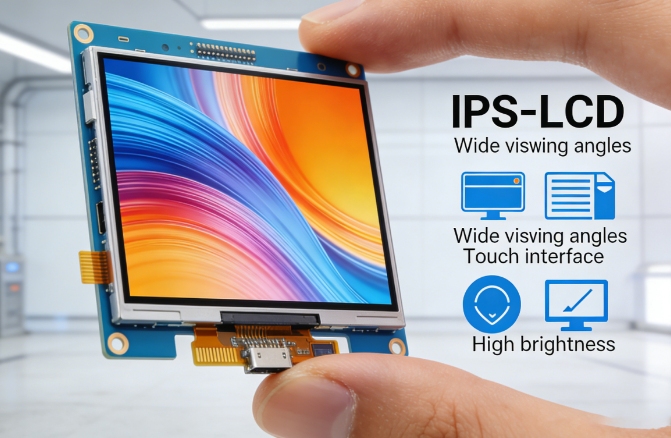
Understanding the Core Advantages of IPS TFT LCD Display
Before integrating an IPS TFT LCD display into your product, it’s crucial to understand its primary benefits:
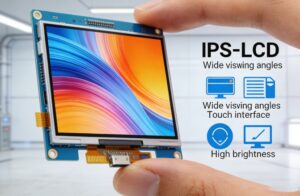
- Wide Viewing Angles: Unlike traditional TN panels, IPS TFT technology maintains consistent color and brightness even when viewed from extreme angles, ensuring a uniform user experience.
- Accurate Color Reproduction: Ideal for devices that require precise color rendering, such as medical monitors, graphic tablets, or photo editing tools.
- Improved Stability: IPS TFT displays offer better image stability with reduced motion blur, which is essential for applications involving video playback or dynamic user interfaces.
Recognizing these advantages helps designers select the right display specification that aligns with product goals.
Integrating IPS TFT LCD Display into Your Product Design
Integrating the display effectively involves both hardware and software considerations:
- Hardware Compatibility: Ensure the display’s resolution, interface type (e.g., SPI, RGB, LVDS), and size are compatible with your device’s motherboard and enclosure.
- Power Management: IPS TFT displays can be power-hungry; optimizing brightness, backlight control, and refresh rates reduces energy consumption and extends battery life.
- Physical Design: Plan for bezel size, touch layer integration, and protective glass to ensure durability without compromising aesthetics.
Proper integration ensures that the display not only fits but also enhances the overall product design.
Enhancing User Experience with IPS TFT LCD Display Features
The user interface and visual feedback play a key role in product satisfaction:
- Touch Responsiveness: If your device includes a touch layer, selecting a high-quality capacitive touch IPS TFT LCD display improves accuracy and responsiveness.
- Brightness and Contrast Settings: Adjustable brightness and high contrast help maintain readability in different lighting conditions, from indoor offices to outdoor sunlight.
- Interactive Elements: Incorporate dynamic visual cues, animations, and color-coded feedback to make the user interface more intuitive.
These enhancements ensure that users have a smooth and visually appealing experience, which can directly impact product adoption.
Optimizing Performance for Specific Applications
Different applications require tailored approaches:
- Industrial Devices: Focus on durability, anti-glare coatings, and wide temperature operating ranges.
- Consumer Electronics: Prioritize thin form factors, vibrant colors, and smooth video playback.
- Medical or Professional Equipment: Accuracy in color and high resolution are paramount, along with reliable calibration options.
By aligning the display features with the end-use scenario, designers can optimize both performance and user satisfaction.
Future-Proofing Your Product Design
To ensure longevity and adaptability:
- Scalable Resolution Options: Consider displays that can support higher resolutions or future upgrades without redesigning the entire system.
- Software Updates: Implement firmware that can adjust display parameters, such as brightness, contrast, or touch calibration, over time.
- Modular Integration: Using standardized display modules allows easier replacement and compatibility with future models.
Planning reduces the risk of obsolescence and keeps the product competitive.
Conclusion
Incorporating an IPS TFT LCD into your product design offers more than just a visual upgrade—it improves usability, functionality, and overall appeal. By understanding its advantages, integrating it thoughtfully into hardware and software, enhancing user experience, and optimizing for specific applications, designers can create products that stand out in both quality and performance. Thoughtful planning and future-proofing ensure that your design remains relevant and competitive in a rapidly evolving market.
0