Table of Contents
In the world of electrical systems, the importance of ensuring secure and reliable power distribution cannot be overstated. One of the most critical components in achieving this goal is the use of armored cables. But are distribution armored cables truly suitable for high-voltage applications? This article explores the suitability of distribution armored cables for high-voltage systems, highlighting their key features, benefits, and considerations for use in demanding environments.
What Are Distribution Armored Cables?
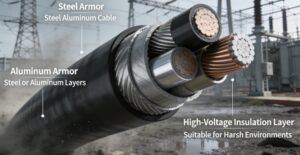
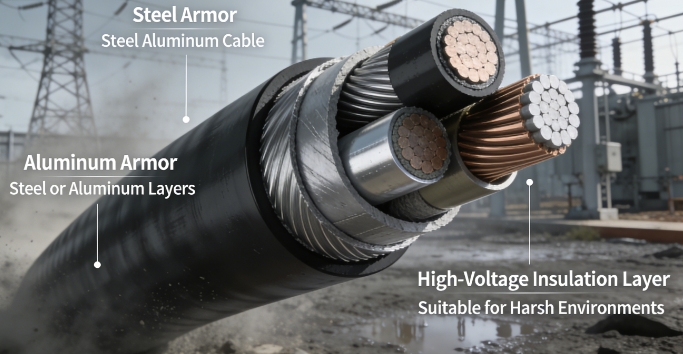
Distribution armored cables are a type of electrical cable designed to provide superior protection for the conductors inside. These cables are commonly used in power distribution systems, where they are subjected to various mechanical stresses, environmental factors, and the need for durability. The armor, typically made of steel or aluminum, serves as a protective layer that shields the inner components from physical damage and external hazards.
While these cables are often used for low to medium-voltage applications, their robust construction also makes them suitable for high-voltage power systems, provided the right specifications and materials are chosen. High-voltage systems require cables that can handle increased electrical loads while maintaining safety and reliability. Let’s dive into the features that make distribution armored cables suitable for high-voltage applications.
Key Benefits of Distribution Armored Cables in High-Voltage Applications
- Enhanced Protection Against Physical Damage
One of the primary advantages of using armored cables in high-voltage applications is their ability to resist physical damage. High-voltage cables are often installed in environments where they face the risk of mechanical stress, punctures, and abrasions. The steel or aluminum armor provides a strong barrier against these hazards, making them ideal for underground or outdoor installations, where cables might be exposed to heavy machinery, rodents, or harsh weather conditions. - Improved Durability and Longevity
In high-voltage systems, cable longevity is a critical factor. Armored cables are designed to be more durable than standard cables, as the armor helps to protect the insulation and conductors from environmental factors like moisture, extreme temperatures, and chemical exposure. This durability ensures that the cables can withstand long-term use without compromising performance, which is especially important for high-voltage applications that require a high level of reliability. - Fire Resistance
High-voltage power systems, especially those in industrial or commercial settings, are susceptible to fire risks. Armored cables are often designed with fire-resistant materials to prevent the spread of flames in case of an electrical fault. This feature is vital in high-voltage applications, where the potential for electrical fires is higher, as it ensures that the cables do not contribute to the escalation of fire hazards.
How Distribution Armored Cables Handle High-Voltage Loads
High-voltage applications demand cables that can handle greater electrical loads without deteriorating. Distribution armored cables are designed with thick insulation materials, such as cross-linked polyethylene (XLPE), which provide the necessary electrical resistance to manage high voltages. These insulation materials, combined with the armor, help to reduce the risk of electrical arcing and ensure that the cables can handle higher power loads.
- Insulation Strength
The insulation material used in armored cables plays a vital role in their ability to handle high voltage. Materials like XLPE provide excellent dielectric properties that prevent electrical leakage and breakdowns. This ensures that the cables remain effective even when subjected to high voltages, providing both safety and reliability. - Conductor Size and Construction
The size and construction of the conductors within distribution armored cables are also tailored for high-voltage applications. By using high-quality copper or aluminum conductors, armored cables can carry large amounts of electrical current while maintaining low resistance. This enables efficient power transmission without significant loss or heat generation.
Considerations When Using Distribution Armored Cables for High-Voltage Systems
While distribution armored cables are suitable for high-voltage applications, there are several factors to consider when choosing the right cable for a specific system:
- Voltage Rating
It’s essential to select armored cables with the appropriate voltage rating for the application. High-voltage systems require cables that are specifically designed to handle the increased electrical stress. Be sure to check the cable’s voltage rating and ensure it meets the required standards for your specific high-voltage system. - Environmental Conditions
Distribution armored cables are suitable for use in a variety of environments, but the specific conditions of the installation site must be taken into account. Factors such as temperature extremes, moisture, chemical exposure, and the presence of potential mechanical damage can all impact the performance of the cables. Ensure that the armored cables selected are rated for the environmental conditions they will be exposed to. - Installation Requirements
Installing armored cables for high-voltage systems often requires specialized techniques and equipment. Ensure that qualified personnel are responsible for installation to avoid damaging the cable or compromising its performance. Proper installation is key to ensuring the long-term safety and efficiency of the system.
Conclusion
In conclusion, distribution armored cables are indeed suitable for high-voltage applications, offering key advantages such as enhanced protection against physical damage, improved durability, and fire resistance. Their ability to handle high electrical loads, combined with robust insulation and conductor construction, makes them an excellent choice for demanding power distribution systems. However, it is crucial to select the right cables based on the voltage rating, environmental conditions, and installation requirements to ensure the cables perform optimally and safely. By understanding these factors, you can make an informed decision about using distribution armored cables in your high-voltage applications.
0