Table of Contents
Linear motors are advanced motion systems widely used in modern automation, semiconductor manufacturing, robotics, CNC machining, and high-precision industrial equipment. Unlike traditional rotary motors that rely on mechanical transmission components, linear motors generate direct linear motion, offering higher speed, accuracy, and efficiency. Because of their advanced structure and performance advantages, many people often wonder whether they are expensive compared to conventional motor systems. The answer depends on multiple factors such as design complexity, application requirements, and long-term operational value. In many cases, businesses working with a reliable linear motors supplier evaluate not only the initial purchase cost but also long-term efficiency and maintenance savings before making a decision.
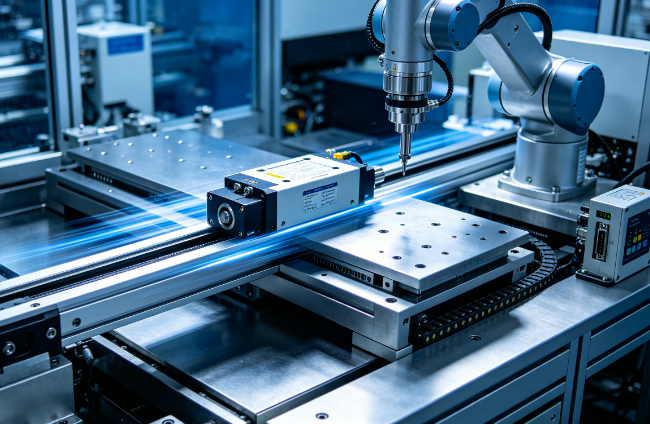
What Determines the Cost of Linear Motors?
The price of linear motors is influenced by a variety of technical and manufacturing factors:
- Precision level and performance requirements
High-precision linear motors designed for semiconductor or medical equipment require tighter tolerances and advanced control systems, which significantly increase production cost compared to standard industrial models. - Material quality and magnetic design
Strong rare-earth magnets, high-grade copper windings, and precision-machined components improve performance but also raise manufacturing expenses due to material costs and processing difficulty. - Customization and application-specific design
Customized solutions for robotics, automation lines, or CNC systems require engineering development and testing, which increases overall cost compared to standard mass-produced models. - Control system integration complexity
Linear motors often require advanced controllers, feedback sensors, and software integration, which adds to system-level pricing beyond just the motor itself.
Why Linear Motors Are Considered High-Value Systems
Although initial costs may be higher, their performance benefits often justify the investment:
- Direct drive efficiency without mechanical loss
Linear motors eliminate gears, belts, and screws, reducing energy loss and improving motion efficiency, which leads to better long-term performance. - High-speed and high-precision operation
They can achieve extremely fast acceleration and positioning accuracy, making them ideal for industries requiring micron-level control. - Reduced maintenance requirements
With fewer mechanical parts, wear and tear are significantly reduced, resulting in lower maintenance frequency and downtime costs. - Long operational lifespan in industrial environments
High-quality systems can operate continuously for long periods without performance degradation when properly maintained.
Cost Comparison with Traditional Motor Systems
To understand pricing better, it is useful to compare linear motors with conventional systems:
- Higher initial investment vs long-term savings
Linear motors typically cost more upfront, but they reduce mechanical losses and maintenance expenses over time, improving total cost efficiency. - Fewer mechanical components required
Traditional systems rely on ball screws or belts, which require replacement, while linear systems eliminate many of these consumable parts. - Improved productivity output
Faster cycle times and higher accuracy lead to increased production efficiency, indirectly reducing the cost per unit output. - Lower downtime risk
With fewer mechanical failures, production interruptions are minimized, which is critical in high-value manufacturing environments.
Industrial Applications and Value Justification
The cost of linear motors is often justified by their application benefits:
- Semiconductor and electronics manufacturing
Ultra-precise positioning is required for wafer handling and chip production, where even small errors can cause significant losses. - CNC machining and precision tooling
High-speed cutting and accurate tool positioning improve product quality and reduce material waste. - Automation and robotics systems
Used in pick-and-place machines and robotic arms where fast and accurate movement is essential. - Medical and laboratory equipment
High stability and precision are required for imaging systems and diagnostic machines.
Role of Suppliers in Cost Optimization
Choosing the right supplier plays a major role in controlling cost and performance:
- Technical support and system optimization
An experienced supplier can help design efficient systems that reduce unnecessary costs while maintaining performance standards. - Standard vs customized solution balance
A professional linear motors supplier can recommend suitable models based on application needs, avoiding over-specification. - After-sales service and maintenance support
Reliable support reduces long-term maintenance expenses and improves system reliability. - Supply chain stability and component availability
Stable sourcing ensures consistent pricing and reduces delays in production or replacement.
Conclusion
In conclusion, linear motors are generally more expensive than traditional motor systems due to their advanced design, precision engineering, and high-performance capabilities. However, their long-term benefits—including higher efficiency, reduced maintenance, and improved production output—often outweigh the initial investment. For industries requiring precision and reliability, they represent a cost-effective solution over time. By working with a qualified linear motors supplier and selecting the right system configuration, businesses can optimize both performance and cost efficiency, making linear motors a valuable investment for modern automation applications.
0