Table of Contents
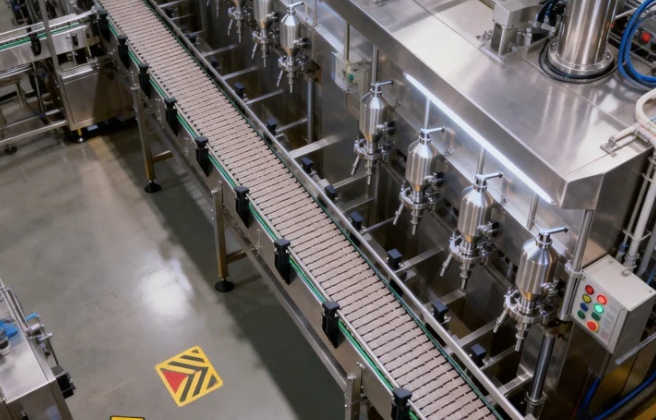
Bottling line equipment is a crucial investment for any manufacturing facility, as it directly impacts production efficiency, product quality, and operational costs. To maximize the lifespan and performance of your bottling line equipment, regular maintenance is essential. Proper upkeep ensures smooth operation, reduces the risk of unexpected breakdowns, and prevents costly repairs. In this article, we will discuss key maintenance practices that can help ensure your bottling line equipment serves your business for the long term.
1. Regular Inspection and Monitoring
The first step in maintaining bottling line equipment is conducting regular inspections to identify potential issues before they lead to equipment failure. These inspections should focus on both visible and internal components, including motors, pumps, conveyors, and sensors. Routine checks can detect wear and tear, misalignments, or signs of corrosion that might affect performance.
- Implementing a Scheduled Inspection Program
A scheduled inspection program allows operators to consistently monitor the condition of bottling line equipment. This ensures that any abnormalities, such as unusual noise, overheating, or leaks, are identified early. Additionally, using sensors and diagnostic tools can provide real-time data, helping operators pinpoint issues before they disrupt production.
2. Proper Lubrication of Bottling Line Equipment
Lubrication is essential for the smooth operation of many mechanical components in bottling line equipment. Without proper lubrication, friction increases, leading to faster wear on parts such as gears, motors, and conveyors. Over time, this can cause mechanical failure and production delays.
- Choosing the Right Lubricant
Different types of bottling line equipment require specific lubricants, depending on the material and operating conditions. Regularly check the lubrication levels and ensure the correct type of lubricant is used for each part. Use high-quality oils or greases and follow the manufacturer’s guidelines to maintain optimal performance. Over-lubricating can also cause problems, so ensure the appropriate amount is applied.
3. Cleaning and Sanitizing Bottling Line Equipment
Cleaning and sanitizing bottling line equipment is especially critical for industries like food and beverage production, where hygiene standards are stringent. Regular cleaning ensures that no residues, contaminants, or bacteria accumulate, which could compromise product quality. Additionally, regular cleaning can help prevent blockages or malfunctions in filling machines and conveyors.
- Developing a Cleaning Schedule
Implementing a cleaning schedule that aligns with production shifts is essential for maintaining hygiene and avoiding contamination. Ensure that all components, including filling nozzles, capping machines, and labeling devices, are thoroughly cleaned after each production cycle. Using automated cleaning systems can reduce the labor involved and ensure that sanitation standards are consistently met.
4. Calibration and Adjustment of Bottling Line Equipment
Bottling line equipment, such as filling machines, capping devices, and labeling systems, must be calibrated to ensure they are functioning at peak performance. Calibration helps ensure that each bottle is filled correctly, sealed properly, and labeled accurately. Regular adjustments to the equipment also help improve consistency and reduce waste.
- Maintaining Accurate Calibration
The calibration of bottling line equipment should be checked at regular intervals, depending on production volume and the sensitivity of the machinery. Automatic calibration tools can help maintain accurate settings for each station, including fill levels, cap pressure, and label alignment. By addressing calibration issues proactively, manufacturers can reduce errors, improve efficiency, and maintain product quality.
Conclusion
Maintaining bottling line equipment for long-term use is essential for maximizing productivity, minimizing downtime, and ensuring consistent product quality. Regular inspections, proper lubrication, frequent cleaning, accurate calibration, staff training, and using original spare parts are key elements of an effective maintenance program. By implementing these practices, businesses can extend the lifespan of their bottling line equipment, reduce operational costs, and enhance the overall efficiency of their production lines.
0