Table of Contents
When selecting sports sunglasses, the choice of lens color is crucial. Lens color not only affects appearance but also enhances performance and protects the eyes from harmful UV rays. The right lens color can improve contrast, reduce glare, and provide clear vision in various sports and outdoor environments. Even when referencing information from a sports sunglasses supplier, it is important to understand the significance of lens color to make an informed choice.
1. The Importance of Lens Color
The lens color of sports sunglasses directly affects both vision quality and eye protection. Different colors can enhance contrast, reduce glare, and help the eyes adapt in bright or low-light conditions. Many sports sunglasses suppliers recommend considering the type of sport and lighting conditions when choosing lens colors, as these factors are crucial for outdoor performance.
2. Key Factors in Choosing Lens Color
Type of Sport
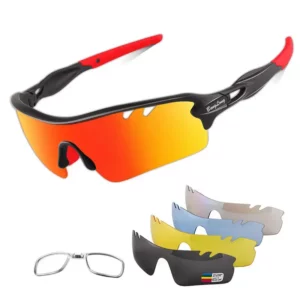
Different sports have different visual requirements, so lens colors should be selected accordingly:
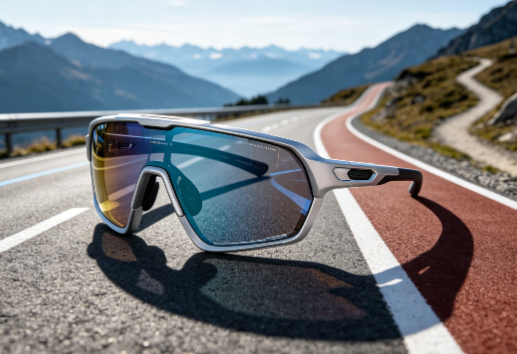
- Cycling:Lenses in yellow or orange tones improve contrast and help the eyes judge depth more accurately, particularly during cloudy or dim-light conditions.
- Running:Rose or pink lenses improve contrast in overcast weather and reduce glare from reflective surfaces.
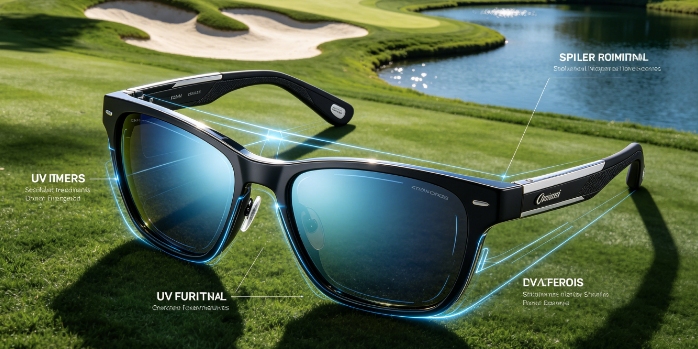
- Golf:Brown or copper lenses help enhance contrast on green landscapes, making it easier to see course details.
- Fishing/Water Sports:Gray or blue lenses are ideal for reducing water surface glare and improving clarity, making it easier to spot fish or underwater features.
Lighting and Weather Conditions
Light intensity and weather conditions directly affect lens choice:
- Bright sunlight:Gray or dark brown lenses reduce brightness without distorting colors.
- Overcast or cloudy weather:Yellow, amber, or rose lenses increase clarity and contrast in low-light conditions.
- Night or low-light conditions:Clear or light yellow lenses improve visual contrast, helping to see surroundings clearly when light is limited.
UV Protection
Sports sunglasses should provide 100% UV protection to prevent long-term eye damage. Many sports sunglasses suppliers emphasize that lens color should also be chosen with UV protection in mind.
3. Common Lens Colors and Their Uses
- Gray lenses: Reduce overall brightness and maintain natural color perception; suitable for running, cycling, and other bright outdoor activities.
- Brown/Copper lenses: Enhance contrast; suitable for golf, cycling, or fishing.
- Yellow/Gold lenses: Improve contrast and depth perception in low-light situations; ideal for skiing, shooting, or evening sports.
- Blue/Green lenses: Designed to reduce glare from water and bright surfaces, enhancing clarity and detail, particularly beneficial for fishing or water sports enthusiasts.
- Clear lenses: Ideal for night or indoor activities, providing protection without altering color perception.
- Photochromic lenses: Automatically adjust to changing light conditions, suitable for a variety of environments.
4. The Role of Polarized Lenses
Polarized lenses use a special optical coating to filter horizontally reflected light, commonly known as glare. This glare often occurs on water surfaces, snow, wet roads, and glass, which can strain the eyes and reduce visual clarity.
In outdoor sports, polarized lenses significantly improve visual clarity and contrast, making details easier to distinguish. For example:
- Water sports and fishing:Polarized lenses reduce reflections on the water surface, making underwater details more visible.
- Snow sports:While skiing or mountaineering, polarized lenses reduce the strong reflection from snow, decreasing eye fatigue and improving terrain perception.
- Cycling or running:In urban environments with reflective roads or buildings, polarized lenses reduce glare, allowing athletes to observe the surroundings safely.
Additionally, polarized lenses enhance color contrast, making distant and nearby objects easier to identify. This is crucial for sports that require quick terrain judgment, while also reducing eye strain and improving comfort. Overall, polarized lenses improve visual clarity, safety, and comfort, making them a widely used lens type for outdoor activities.
5. Conclusion
Selecting the proper lens color is critical not just for optimal performance, but also for safeguarding your eyes. Taking into account the sport type, lighting conditions, and personal visual needs can vastly improve the outdoor experience while minimizing eye fatigue. Understanding the function of different lens colors and their benefits is essential for any sports enthusiast.
By consulting information from a sports sunglasses supplier, you can better select the lens color that best suits your requirements. Ultimately, the right lens choice improves your vision and protects your eyes from harmful UV rays, enhancing both comfort and safety. With insights from experienced sports sunglasses suppliers, you can make a well-informed decision, no matter the outdoor environment.
0